
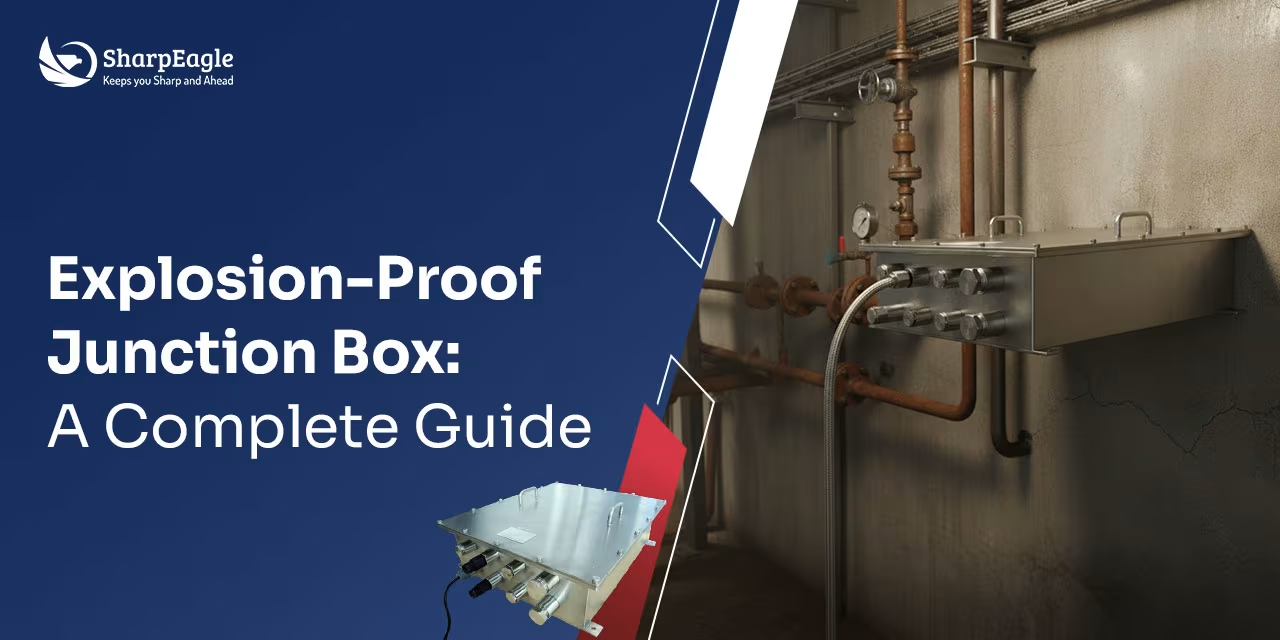
Summary
An explosion-proof junction box is a sealed enclosure that prevents internal electrical faults from causing explosions in hazardous areas. Essential for industries like oil & gas and chemicals, it works by containing sparks or flames. Selection depends on safety certifications (ATEX, IECEx), material, and the specific hazard zone. Correct installation and maintenance are crucial for safety. Using a certified explosion-proof enclosure protects personnel, ensures regulatory compliance, and safeguards critical operations from catastrophic events.Introduction
In environments where flammable gases, vapors, or combustible dust are present, standard electrical equipment becomes a potential source of catastrophic ignition. The explosion-proof junction box is a fundamental safety component engineered specifically for these high-risk locations. Far more than just a metal container, this specialized explosion-proof electrical box is a meticulously designed and certified safeguard, crucial for protecting personnel, infrastructure, and continuity of operations in industries worldwide.
This guide provides a comprehensive overview of hazardous area junction boxes, explaining how they work, the standards they must meet, and how to select, install, and maintain the right enclosure for your application.
Understanding Explosion-Proof Standards and Certifications
Using any electrical enclosure in a hazardous location is insufficient; it must be officially certified for that specific use. Explosion-proof certification is a non-negotiable requirement, signifying that the equipment has been tested and proven to prevent ignition. The most critical global standards are:
- ATEX: The mandatory certification for equipment used in explosive atmospheres within the European Union. It defines requirements for equipment and protective systems.
- IECEx: An international certification system that facilitates global trade by providing a single, worldwide standard.
- UL and CSA: The primary standards for explosion-proof and dust-ignition-proof enclosures in the United States and Canada.
These certifications are always tied to a hazardous area classification, which defines the likelihood and duration of a hazardous atmosphere being present. Selecting a box with the correct certification for your site's classified zone is the first and most critical step in ensuring safety and regulatory compliance.
Features and Components: Built for Maximum Protection
The effectiveness of an ATEX-certified junction box stems from its robust design and construction, which typically includes the following features:
- Material Construction: Common materials include cast aluminium, stainless steel, and composite materials like fibreglass. The choice depends on the environment's corrosiveness and required mechanical strength.
- Sealing Mechanisms: Flanged, threaded joints with machined flame paths are a hallmark of explosion-proof design. If an internal explosion occurs, hot gases are forced through these cooled paths, which extinguish the flames before they can escape. Additionally, Ingress Protection (IP) ratings ensure the enclosure is dust-tight and protected against water, safeguarding internal components.
- Key Components: Internally, boxes feature secure terminal blocks for connections, an internal grounding lug to safely ground equipment, and are designed to maintain seal integrity where cables enter.
How Explosion-Proof Junction Boxes Work: The Containing Principle
The term "explosion-proof" can be misleading. These enclosures are not designed to withstand an external explosion. Instead, they operate on a principle of containment.
Their fundamental purpose is to prevent the ignition of surrounding gases by any arc, spark, or high temperature generated inside the box. The robust, sealed enclosure is engineered to contain any internal explosion that might occur from an electrical fault. The design ensures that any escaping hot gases from such an event are sufficiently cooled below the ignition temperature of the external atmosphere as they pass through the precisely engineered flame paths and threaded gaps.
This is why a standard junction box is never acceptable in a hazardous area; it would allow sparks or flames to escape freely, with potentially devastating consequences.
Choosing the Right Junction Box: A Step-by-Step Guide
Selecting the correct safe electrical box for hazardous areas requires a systematic approach. Here are the key factors to consider:
- Define the Hazardous Area: Identify the official zone classification and the type of hazard (gas, vapor, or dust) at the installation site.
- Select the Protection Type: Understand the two main types:
- Flameproof: Can contain an internal explosion. Used for equipment that may produce arcs or sparks.
- Increased Safety: Prevents sparks and excessive temperatures in normal operation. Used for non-sparking equipment.
- Match Material to Environment: Choose stainless steel for highly corrosive or wet environments and aluminium for general industrial use.
- Ensure Certification Compliance: Verify the product carries the necessary ATEX, IECEx, or UL mark for your region and application.
- Consider Size and Configuration: Ensure there is enough space for wiring and maintenance. Check the number, size, and location of cable gland entries.
The explosion-proof junction box applications are vast, spanning any industry where flammable substances are handled. They are indispensable for:
- Oil & Gas: This is a primary application. They are used on explosion-proof junction box for oil and gas rigs, refineries, pipelines, and processing plants.
- Chemical & Petrochemical Plants: For housing electrical circuits in areas processing volatile liquids, gases, and powders.
- Mining: In underground mines where combustible coal dust or methane gas may be present.
- Pharmaceuticals & Food Processing: In zones where combustible dust from powders, sugars, or flours poses a risk.
- Power Generation and Marine Facilities.
Installation, Maintenance and Safety Best Practices
Proper handling is essential to maintain the safety certification of the equipment.
- Installation: Always follow manufacturer instructions and national electrical codes. Key steps include de-energizing circuits, securely mounting the box, properly threading and sealing all conduits, and ensuring all internal connections are tight.
- Maintenance: Conduct periodic inspections. Check that all bolts are tightened to the specified torque, inspect gaskets and seals for damage or degradation, and ensure no corrosion is compromising the enclosure's integrity.
- Safety First: Never use a standard junction box in a classified hazardous area. Always prioritize certified products and ensure personnel are trained on the importance and proper handling of this specialized equipment.
Benefits: More Than Just Compliance
Investing in certified explosion-proof enclosures delivers significant long-term value:
- Ultimate Risk Reduction: Directly prevents workplace explosions, protecting human lives and assets.
- Regulatory Compliance: Meets international safety directives, avoiding legal penalties and operational shutdowns.
- Durability & Longevity: Built to withstand extreme conditions, reducing replacement frequency and maintenance costs.
- Operational Reliability: Minimizes unplanned downtime caused by electrical failures in harsh environments.
Conclusion and Call to Action
An explosion-proof junction box is a critical engineering control, forming the foundation of electrical safety in hazardous locations. Its purpose is singular: to contain danger and prevent catastrophe. Success hinges on selecting a product with the correct certification for your specific hazard, installing it meticulously, and maintaining it rigorously.
For enhanced safety in your operations, explore our range of certified, robust explosion-proof solutions designed to meet the toughest global standards and application demands.
