

- Enhanced Worker Safety
- Regulatory Compliance
- Improved Operational Reliability
- Real-Time Process Visibility
- Early Fault Detection
- Optimised Productivity & Lower Maintenance Costs
- What is an explosion proof monitor used for?
- Are explosion proof monitors mandatory in UK hazardous areas?
- Can explosion proof monitors be touch-enabled?
- Are they compatible with CCTV and SCADA systems?
- What is the difference between Zone 1 and Zone 2 monitors?
- Can explosion proof monitors run 24/7?
Summary
Explosion proof monitors are essential safety equipment for UK hazardous industries, providing secure visual monitoring in explosive atmospheres. This comprehensive guide covers ATEX and IECEx certifications, operational principles, key features, applications across oil and gas, chemical plants, and offshore facilities, plus selection criteria and compliance requirements for Zone 1 and Zone 2 environments.Introduction
The demand for safe visual monitoring solutions in UK hazardous industries has never been higher. From oil refineries to chemical processing plants, operators require real-time visibility into critical processes whilst working in potentially explosive atmospheres. Using standard commercial monitors in these environments poses severe risks, as even minor electrical malfunctions can trigger catastrophic explosions when flammable gases, vapours, or dust are present.
Explosion proof monitors have emerged as the cornerstone of industrial safety and regulatory compliance in the UK. These specialised displays enable continuous process monitoring, SCADA system visualisation, and control room operations without compromising worker safety or violating stringent Health and Safety Executive (HSE) regulations. As UK industries face increasing pressure to maintain operational efficiency whilst adhering to ATEX directives, understanding the role and selection of explosion proof monitors has become critical for safety managers and facility engineers alike.
What Is an Explosion Proof Monitor?
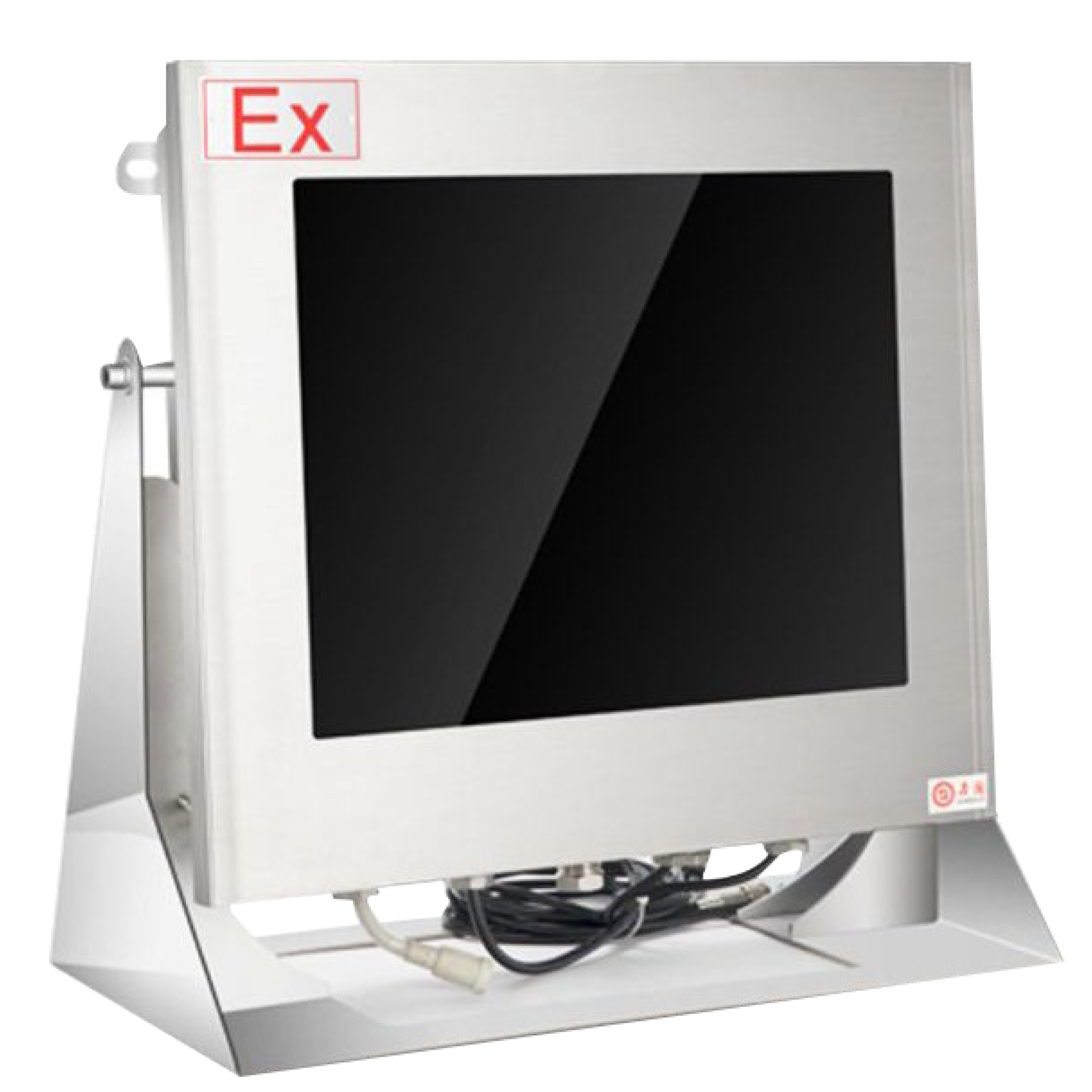
An explosion proof monitor is a specialised industrial display designed and certified to operate safely in hazardous environments where flammable gases, vapours, mists, or combustible dust may be present. Unlike standard industrial monitors, these devices feature reinforced enclosures that contain any internal sparks or heat generation, preventing ignition of the surrounding atmosphere.
Why Explosion Proof Monitors Are Critical in the UK
Preventing Ignition Hazards
The primary function of an explosion proof monitor is eliminating ignition sources in volatile environments. Standard displays generate heat through backlighting systems, produce static electricity during touch interactions, and can create sparks from loose connections or component failures. In atmospheres containing flammable substances, these seemingly minor energy releases can trigger explosions with devastating consequences. Explosion proof monitors employ sophisticated thermal management, anti-static materials, and sealed connections to ensure that no ignition source can escape the protective enclosure.
Ensuring Continuous Monitoring
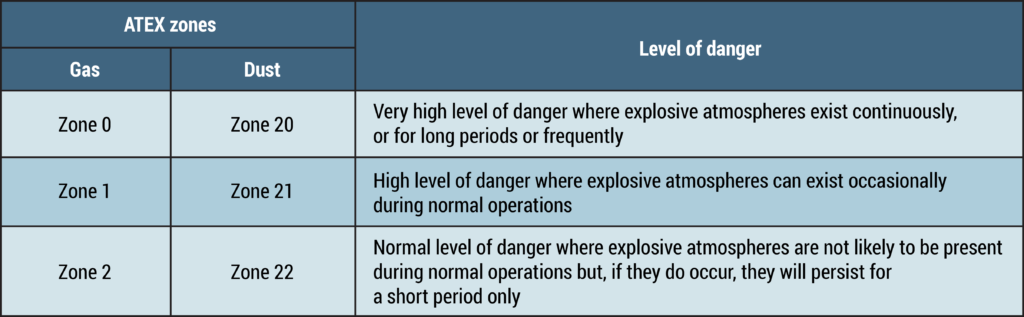
Modern industrial operations depend on real-time data visualisation for process control, safety system monitoring, and operational efficiency. Explosion proof monitors enable this continuous visibility in Zone 1 environments (where explosive atmospheres are likely during normal operations) and Zone 2 environments (where explosive atmospheres are unlikely but may occur during abnormal conditions). Without certified displays, facilities would face impossible choices between operational visibility and worker safety, often requiring process shutdowns for monitoring activities.
Supporting UK Safety Regulations
The UK maintains some of the world's strictest safety standards for hazardous area operations. The Health and Safety Executive enforces ATEX regulations through the Dangerous Substances and Explosive Atmospheres Regulations 2002 (DSEAR), requiring employers to classify hazardous areas and ensure all equipment meets appropriate certification standards. Explosion proof monitors demonstrate regulatory compliance, protect organisations from legal liability, and most importantly, fulfil the moral obligation to provide safe working environments. Failure to use properly certified equipment can result in enforcement action, substantial fines, and catastrophic incidents that destroy lives and facilities.
How Does an Explosion Proof Monitor Work?
Explosion proof monitors employ several sophisticated engineering principles to contain potential ignition sources. The most common approach uses flameproof enclosures, featuring thick steel or aluminium housings with precisely machined flanges. If an internal explosion occurs, the enclosure contains the flame and prevents it from igniting the external atmosphere. The flange gaps are calculated to cool escaping gases below ignition temperature through a principle known as "maximum experimental safe gap" (MESG).
Key Features of Explosion Proof Monitors
Modern explosion proof monitors combine safety certifications with advanced display technology. ATEX and IECEx certified housings form the foundation, with specific ratings indicating the zones, gas groups, and temperature classes for which the monitor is approved. Typical certifications include Ex d IIC T6 for flameproof protection in the most hazardous environments or Ex px IIC T4 for pressurised enclosures in less demanding applications.
High-brightness industrial displays, typically ranging from 400 to 1000 nits, ensure visibility in brightly lit industrial environments or outdoor installations. LED backlighting provides long operational life whilst minimising heat generation compared to older CCFL technologies. Screen sizes vary from compact 10-inch displays for local monitoring to large 24-inch or larger screens for control room applications.
Benefits of Using Explosion-Proof Monitors
Explosion-proof monitors play a critical role in hazardous industrial environments where safety, reliability, and compliance are non-negotiable. Designed and certified for use in explosive atmospheres, these monitors allow operators to view critical data in real time without introducing ignition risks. Beyond safety, they also enhance operational efficiency by enabling continuous monitoring, faster decision-making, and proactive issue detection.
Enhanced Worker Safety
Certified explosion-proof monitors eliminate ignition sources, reducing the risk of explosions, fires, injuries, and fatalities. This protection safeguards not only operators but also nearby personnel and surrounding facilities.
Regulatory Compliance
Designed to meet ATEX, IECEx, and other international standards, these monitors help facilities remain compliant with safety regulations in hazardous zones.
Improved Operational Reliability
Unlike makeshift or remotely placed displays, explosion-proof monitors provide stable and dependable performance directly within hazardous areas.
Real-Time Process Visibility
Continuous access to live process data, equipment status, and safety systems enables quicker response to abnormal conditions.
Early Fault Detection
Operators can identify developing issues before they escalate, helping prevent incidents, unplanned shutdowns, and costly downtime.
Optimised Productivity & Lower Maintenance Costs
Faster decision-making and proactive monitoring improve production efficiency while reducing corrective maintenance and operational disruptions.
Applications of Explosion Proof Monitors in the UK
UK oil and gas facilities represent primary applications for explosion proof monitors. Refineries process crude oil into fuels and petrochemicals, creating numerous Zone 1 and Zone 2 areas where monitoring is essential for safe operations. Storage terminals handle flammable liquids with vapour release during loading and unloading operations. Explosion proof monitors enable operators to track tank levels, pipeline pressures, and process conditions without entering hazardous areas or relying on intermittent inspections.
How to Choose the Right Explosion Proof Monitor
Selecting the right explosion-proof monitor requires a balance between safety compliance, operational needs, and environmental conditions. The correct choice ensures reliable performance in hazardous areas while avoiding unnecessary cost or over-specification. Careful evaluation of zone classification, display requirements, user interaction, and environmental factors will help you select a monitor that is both safe and fit for purpose.
Key Selection Considerations:
- Hazardous Area Classification
- Zone 1: Suitable for areas where explosive atmospheres are likely during normal operations. These monitors typically require flameproof (Ex d) or pressurised (Ex px) protection with higher certification levels.
- Zone 2: Used where explosive atmospheres are unlikely and occur only under abnormal conditions. Increased safety (Ex e) or non-sparking (Ex nA) designs are often sufficient and can be more cost-effective.
- Screen Size & Resolution
- Control rooms (2–3 m viewing distance): Larger displays (21–27 inches) with Full HD or higher resolution for clear visibility.
- Local or close-range monitoring: Compact screens (12–15 inches) with standard HD resolution are usually adequate.
- Multi-window or detailed data viewing may require larger screens or multiple monitors.
- Touchscreen vs Non-Touch Displays
- Touchscreen monitors are ideal for HMI applications requiring frequent operator input, especially where keyboards are impractical.
- Non-touch displays work well for SCADA visualisation and passive monitoring, offering lower cost and reduced failure risk.
- If touch is required, consider glove usage—resistive touchscreens may be more suitable than capacitive ones.
- Environmental & Mechanical Resistance
- Corrosive or coastal environments: Stainless steel enclosures and high corrosion resistance are essential.
- Outdoor installations: High ingress protection (IP66/IP67) and wide operating temperature ranges are critical.
- Indoor, controlled environments may allow lower IP ratings and reduced costs.
- High-vibration areas (near rotating machinery or offshore platforms) require monitors with strong vibration resistance.
By aligning these factors with your operational environment and safety requirements, you can confidently choose an explosion-proof monitor that delivers both protection and performance.
Installation Best Practices
Proper installation of explosion proof monitors is essential for maintaining certification and ensuring long-term reliability. Wall mounting, panel mounting, and articulated arm mounting each suit different applications. Wall mounting provides permanent installation for control rooms and monitoring stations. Panel mounting integrates displays into control consoles and equipment cabinets. Articulated arms enable positioning adjustment for ergonomic viewing whilst maintaining secure attachment.
Explosion-proof cable routing and sealing require meticulous attention. All cables must enter the enclosure through certified cable glands matched to the cable diameter and type. Multi-conductor cables require appropriate gland sizing, whilst fibre optic cables may need specialised entries. Unused cable entries must be sealed with certified plugs to maintain enclosure integrity. Cable routing should avoid mechanical stress, excessive bending, and exposure to impact damage. Support cables independently rather than relying on gland connections to bear weight.
Maintenance & Inspection Guidelines
Routine inspections under HSE guidance maintain explosion protection throughout the monitor's operational life. UK regulations require periodic detailed inspections at intervals determined by zone classification, typically ranging from three to twelve months. Visual inspections should occur more frequently, checking for physical damage, corrosion, loose bolts, or compromised gaskets. Maintain inspection records documenting conditions found, actions taken, and inspector qualifications.
Safe cleaning procedures prevent damage to protective coatings and seals. De-energise the monitor and allow cooling before cleaning. Use approved cleaning solutions that won't degrade gasket materials or anti-reflective coatings. Avoid high-pressure washing that could force contaminants past seals. Clean cable glands and flanges carefully to detect deterioration or damage. After cleaning, verify all seals remain properly seated before re-energising the equipment.
UK Compliance & Certifications
ATEX equipment directives establish the legal framework for explosion proof monitors in the UK. Despite Brexit, the UK maintains alignment with EU ATEX requirements through the Equipment and Protective Systems Intended for Use in Potentially Explosive Atmospheres Regulations 2016. Equipment must carry appropriate Ex markings indicating protection type, equipment group (typically Group II for surface industries), gas group (IIC for hydrogen, IIB for ethylene, IIA for propane), and temperature class (T1 through T6, with T6 representing the lowest maximum surface temperature of 85°C).
IECEx certification provides international recognition based on IEC standards rather than European directives. Many manufacturers pursue both ATEX and IECEx certification to access global markets. For UK end-users, IECEx-certified equipment without ATEX marking may require additional verification of equivalence and may not satisfy regulatory requirements for ATEX-mandated installations. When sourcing internationally, prioritise equipment with both certifications or ensure suppliers can provide ATEX certification for UK deployment.
Real-World Use Cases
A major UK North Sea oil production platform upgraded its process monitoring system with ATEX-certified explosion proof touchscreen monitors throughout the facility. The 19-inch displays replaced a mixture of ageing non-certified monitors and relay-based indicator panels, providing operators with unified SCADA visualisation. The implementation reduced incident response times by 40% as operators gained immediate visibility into developing process upsets. The monitors' robust construction and corrosion-resistant housings withstood the harsh marine environment, maintaining reliable operation through severe weather conditions that had previously caused commercial display failures requiring costly offshore maintenance visits.
A UK chemical manufacturing plant producing specialised solvents required explosion proof displays for reactor control rooms located within Zone 2 classified areas. The facility selected 24-inch high-brightness monitors with Ex px pressurised enclosures, providing operators with clear visibility of complex batch recipes and real-time reaction parameters. The touchscreen interfaces enabled rapid recipe adjustments whilst maintaining stringent safety requirements. During a process upset involving unexpected exothermic reaction, operators used the certified displays to safely monitor the situation and execute emergency procedures, preventing what could have been a catastrophic release. The company credited the reliable displays with supporting operator decision-making during the critical incident.
Conclusion & Call to Action
Explosion proof monitors represent essential safety equipment for UK hazardous industries, enabling safe visual monitoring in environments where standard displays would pose unacceptable ignition risks. Throughout this guide, we've explored the technical principles behind explosion protection, the regulatory framework governing hazardous area equipment, and the practical considerations for selecting and maintaining certified displays. The benefits extend beyond regulatory compliance to encompass improved worker safety, enhanced operational visibility, and reliable performance in the demanding conditions characteristic of UK oil and gas, chemical, offshore rigs, and industrial facilities.
Take Action for Safer Operations
Ensuring your facility has the right explosion proof monitoring solutions starts with expert guidance. SharpEagle UK specialises in ATEX and IECEx-certified explosion proof monitors designed specifically for the demanding requirements of UK hazardous industries. Our comprehensive range includes displays certified for Zone 1 and Zone 2 environments, available in sizes from 10 to 32 inches with touchscreen and non-touch options to match your exact operational needs.
Explore SharpEagle Explosion Proof Monitors - Browse our complete catalogue of certified displays, technical specifications, and application examples tailored to UK industrial requirements.
Get ATEX & IECEx-Compliant Display Solutions - Receive detailed quotations, certification documentation, and implementation support ensuring your monitoring systems meet all UK regulatory requirements whilst delivering superior operational performance.
Contact SharpEagle UK today to discuss how our explosion proof monitors can enhance safety, compliance, and visibility across your hazardous area operations.
14. Frequently Asked Questions (FAQs)
What is an explosion proof monitor used for?
Explosion proof monitors provide visual display capabilities in hazardous areas where flammable gases, vapours, or combustible dusts create explosive atmospheres. They enable operators to monitor SCADA systems, process control interfaces, safety systems, and surveillance feeds without introducing ignition sources.
Are explosion proof monitors mandatory in UK hazardous areas?
Yes, UK regulations require that all electrical equipment used in hazardous areas must be certified as suitable for the specific zone classification and atmospheric conditions. The DSEAR 2002 regulations enforce ATEX equipment directives, making it a legal requirement to use appropriately certified explosion proof monitors in classified areas.
Can explosion proof monitors be touch-enabled?
Yes, explosion proof monitors are available with touchscreen functionality using either resistive or projected capacitive technology. Resistive touchscreens offer advantages for industrial applications including operation with gloved hands, resistance to contamination, and lower cost.
Are they compatible with CCTV and SCADA systems?
Explosion proof monitors support standard video inputs and industrial communication protocols, ensuring compatibility with virtually all CCTV and SCADA systems. Common interfaces include HDMI, DisplayPort, DVI, VGA, and composite video for CCTV applications.
What is the difference between Zone 1 and Zone 2 monitors?
Zone 1 monitors are certified for areas where explosive atmospheres are likely to occur during normal operations, requiring the highest levels of protection. They typically use flameproof (Ex d) or pressurised (Ex px) enclosures with rigorous construction standards, comprehensive testing, and strict maintenance requirements.
Can explosion proof monitors run 24/7?
Yes, explosion proof monitors are specifically designed for continuous industrial operation. Unlike commercial displays intended for office environments with periodic use, industrial explosion proof monitors incorporate robust components, enhanced thermal management, and long-life backlighting systems supporting 24/7 operation for years or decades.
