

- Industrial Plants and Factories
- Warehouses and Logistics Centres
- Outdoor CCTV and Surveillance Systems
- Oil & Gas and Power Generation Sites
- Underground and Campus-Wide Networking
- Visual Inspections for Armour Damage
- Checking Grounding and Shielding Continuity
- Performance Testing Over Time
- Replacement Indicators
Summary
Armoured CAT6 cables provide essential mechanical and electromagnetic protection for industrial and outdoor networking environments across the UK. This comprehensive guide explores their construction, applications, installation best practices, and compliance requirements, helping businesses select the right heavy-duty ethernet solution for factories, CCTV systems, underground installations, and harsh-environment data networks requiring reliable, long-term performance.The United Kingdom's industrial landscape is experiencing unprecedented digital transformation, with businesses across manufacturing, logistics, energy, and infrastructure sectors demanding robust, reliable networking solutions that can withstand the harshest operational conditions. From automated factory floors in Manchester to offshore oil platforms in the North Sea, the need for resilient data connectivity has never been more critical.
Standard ethernet cables, while adequate for controlled office environments, simply cannot meet the demanding requirements of industrial settings. Exposure to mechanical stress, electromagnetic interference, extreme temperatures, moisture, UV radiation, and physical damage from machinery or rodents can quickly compromise network integrity, leading to costly downtime and compromised operations.
What Is an Armoured CAT6 Cable?
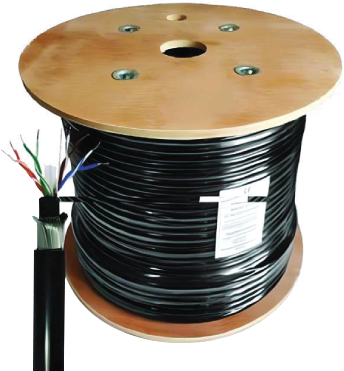
An armoured CAT6 cable is a specialized ethernet networking cable that combines the high-performance data transmission characteristics of Category 6 cabling with additional mechanical protection layers designed to withstand physical damage, environmental stress, and electromagnetic interference. Unlike standard CAT6 cables intended for benign indoor environments, armoured variants incorporate protective barriers that make them suitable for demanding industrial applications and outdoor installations.
Why Armoured CAT6 Cables Are Essential in Industrial Environments
Industrial environments present a perfect storm of challenges that can rapidly compromise standard networking infrastructure, making armoured CAT6 cables not merely beneficial but genuinely essential for reliable operations.
Mechanical Protection
The mechanical robustness of armoured ethernet cable stands as its most immediately recognizable advantage. In factories, warehouses, and industrial facilities across the UK, cables face constant threats from heavy machinery, forklift traffic, falling objects, and general workplace hazards.
EMI & Signal Integrity
Electromagnetic interference represents a less visible but equally critical concern in industrial networking. Factories house heavy electrical machinery, variable frequency drives, welding equipment, and high-voltage power systems that generate substantial electromagnetic fields. These fields can induce unwanted currents in unshielded cables, causing data corruption, packet loss, and network instability.
Outdoor & Underground Reliability
UK weather conditions present their own unique challenges for networking infrastructure. Outdoor CAT6 armoured cable must contend with rain, snow, ice, UV radiation from sunlight, and temperature fluctuations ranging from sub-zero winter conditions to summer heat. The specialized outer jackets on armoured cables resist UV degradation and moisture ingress, whilst the armour itself provides an additional moisture barrier.
How Does an Armoured CAT6 Cable Work?
Understanding the operational principles of armoured CAT6 cables helps explain why they deliver superior performance in challenging environments whilst maintaining compatibility with standard ethernet networking equipment.
At its electrical core, the cable employs the same twisted pair design that has made CAT6 the workhorse of modern networking. Each of the four pairs of copper conductors is twisted at specific rates—different for each pair—to minimise electromagnetic emissions and reduce susceptibility to external interference. This differential signaling approach means that noise affecting both conductors in a pair tends to cancel out, maintaining signal clarity even in less-than-ideal conditions.
Key Features of Armoured CAT6 Cables
When evaluating heavy duty CAT6 cable options for industrial deployment, several key features distinguish premium solutions from basic alternatives.
- Gigabit and 10Gb Ethernet Support: Quality armoured CAT6 cables support 1000BASE-T (Gigabit Ethernet) over the full 100-meter specification and 10GBASE-T (10 Gigabit Ethernet) over shorter distances, typically up to 55 metres.
- Shielded Twisted Pair (STP) Design: The combination of individual pair shielding (foil around each pair) and overall cable shielding (braid or foil around all pairs) creates a comprehensive barrier against EMI.
- Flame-Retardant and LSZH Jacket Options: Safety regulations in the UK increasingly mandate low smoke zero halogen (LSZH) cable jackets for installations in enclosed spaces, public areas, and buildings where fire safety is paramount.
- UV, Moisture, and Corrosion Resistance: Premium outdoor CAT6 armoured cables feature specialized jacket compounds that resist degradation from prolonged UV exposure, preventing the brittleness and cracking that affects standard cables.
- Compliance with UK Cabling Standards: Reputable manufacturers ensure their cables meet or exceed relevant British and European standards, including ISO/IEC 11801 for generic cabling systems, BS EN 50173 for cabling standards, and CPR (Construction Products Regulation) classifications for fire performance.
Benefits of Using Armoured CAT6 Cables
The investment in CAT6 cable for industrial use delivers measurable returns across multiple dimensions of network performance and operational efficiency.
- Long-Term Durability and Reduced Downtime: The robust construction of armoured cables translates directly into extended service life, often exceeding 20 years in demanding environments where standard cables might require replacement every few years.
- Stable High-Speed Data Transmission: Industrial networks increasingly support bandwidth-intensive applications including HD and 4K surveillance systems, machine vision for quality control, real-time process monitoring, and industrial IoT sensor networks.
- Improved Network Security and Reliability: The comprehensive shielding in armoured cables provides a secondary security benefit: it significantly reduces electromagnetic emissions that could potentially be intercepted for eavesdropping.
- Lower Maintenance Costs in Industrial Setups: The total cost of ownership for network infrastructure extends far beyond initial installation expenses. Armoured cables' resistance to mechanical damage, environmental degradation, and rodent attack means dramatically reduced maintenance requirements.
Applications of Armoured CAT6 Cables in the UK
Across the United Kingdom's diverse industrial landscape, armoured CAT6 cables serve as the backbone of critical networking infrastructure in numerous demanding applications.
Industrial Plants and Factories
Manufacturing facilities represent perhaps the most challenging environment for networking infrastructure. Production floors house heavy machinery generating substantial EMI, forklift traffic creating mechanical hazards, and often harsh temperature and humidity conditions.
Warehouses and Logistics Centres
The explosion of e-commerce has driven massive investment in warehouse automation and logistics technology. Modern distribution centres deploy extensive networking infrastructure for warehouse management systems, automated sorting equipment, barcode scanners, RFID systems, and increasingly, autonomous mobile robots. Cables routed through these active environments face constant threats from moving equipment and must maintain performance despite temperature variations and dust. Armoured CAT6 provides the resilience these mission-critical logistics operations require.
Outdoor CCTV and Surveillance Systems
Security and surveillance represent one of the most common applications for outdoor armoured ethernet cable. CAT6 cable for CCTV systems must support the increasing bandwidth requirements of HD and 4K cameras whilst withstanding UK weather conditions, UV exposure, and temperature extremes.
Oil & Gas and Power Generation Sites
The UK's energy infrastructure, from North Sea oil platforms to onshore wind farms and traditional power stations, requires networking solutions that can withstand the most extreme industrial conditions.
Underground and Campus-Wide Networking
Educational institutions, business parks, hospital campuses, and multi-building industrial sites require reliable connectivity between structures. Underground cable runs provide protected pathways whilst avoiding the aesthetic impact of aerial cables, but they subject cabling to moisture, ground movement, and the possibility of damage during subsequent excavation work.
How to Choose the Right Armoured CAT6 Cable
Selecting the appropriate armoured cable specification requires careful consideration of your specific installation requirements, environmental conditions, and performance objectives.
- Indoor vs Outdoor Installation Requirements: The distinction between internal and external installations fundamentally influences cable selection. Indoor armoured cables may prioritize flexibility for routing through cable trays and conduits, with fire safety characteristics like LSZH jackets taking precedence.
- Shielding Type and Armour Selection: Match the level of protection to the threats present in your environment. For installations with minimal EMI but significant mechanical hazards, steel wire armour may be appropriate even with basic foil shielding. Conversely, electrically noisy environments with moderate mechanical demands might benefit from braided armour with comprehensive individual and overall shielding.
- Jacket Material (PVC vs LSZH): Low Smoke Zero Halogen jackets are increasingly mandated by UK building regulations for internal installations, particularly in public buildings, enclosed spaces, and anywhere fire safety is paramount.
- Cable Length and Performance Rating: CAT6 specifications support gigabit ethernet over 100 metres and 10 Gigabit over shorter distances (typically 55 metres). For installations approaching or exceeding these distances, pay careful attention to manufacturer specifications and consider professional testing after installation.
Installation Best Practices
Proper installation proves just as critical as cable selection for achieving optimal performance and longevity from armoured CAT6 infrastructure.
- Proper Grounding and Earthing: The armour and shielding in these cables only provide effective EMI protection when correctly grounded. Both ends of the armoured cable should connect to earth through appropriate grounding hardware, creating a continuous path for interference currents to dissipate.
- Routing in Industrial and Hazardous Areas: Plan cable routes to minimise exposure to mechanical hazards whilst maintaining accessibility for future inspection and maintenance. Where possible, use protected pathways such as enclosed cable trays, conduits, or cable trenches even when using armoured cable—the armour should be considered a last line of defense rather than an excuse for careless routing.
- Bending Radius and Mechanical Handling: Armoured cables have larger minimum bending radii than standard cables due to their additional layers and reduced flexibility. Exceeding the minimum bend radius can damage the internal conductors, compromise the armour's protective capability, or cause performance degradation. Manufacturers typically specify minimum bend radii as a multiple of the cable's overall diameter—commonly 10 to 15 times the diameter for armored CAT6.
- Testing and Certification After Installation: Professional installation should always conclude with comprehensive testing using appropriate certification equipment. At minimum, testing should verify wiremap (correct conductor connections), length measurements, and basic connectivity. For certified installations meeting industry standards, full channel certification testing measures critical parameters including insertion loss, return loss, near-end crosstalk (NEXT), and alien crosstalk, confirming the installed system meets Category 6 performance specifications.
Maintenance & Inspection Guidelines
While armoured CAT6 cables require far less maintenance than standard alternatives, periodic inspection and testing ensure continued reliability and identify potential issues before they cause failures.
Visual Inspections for Armour Damage
Schedule regular visual inspections of accessible cable sections, particularly in high-traffic areas or locations subject to vibration or mechanical stress. Look for visible damage to the outer jacket, including cuts, abrasions, crushing, or deformation that might indicate the armour has been compromised.
Checking Grounding and Shielding Continuity
Use appropriate test equipment to verify shield and armour continuity periodically, particularly after any work in the vicinity of cable runs or following installation modifications. Grounding connections can corrode over time, particularly in coastal or chemically aggressive environments, reducing the effectiveness of EMI protection.
Performance Testing Over Time
Network performance monitoring provides early warning of developing cable issues. Monitor error rates, packet loss, retransmissions, and link speed on connections using armoured cabling. Increases in these metrics may indicate cable degradation, damage, or environmental factors affecting performance. For critical installations, consider periodic certification testing to verify that key parameters remain within specification. This testing provides objective data about cable condition and can identify degradation trends before they impact operations.
Replacement Indicators
Several signs suggest armoured cables may require replacement. Visible damage to armour or jackets, particularly if moisture ingress is suspected, warrants investigation and likely replacement of affected sections.
UK Standards & Compliance
Compliance with relevant British and European standards ensures armoured CAT6 installations meet safety requirements, deliver specified performance, and integrate properly with building systems.
ISO/IEC 11801 establishes international standards for generic cabling systems, defining performance categories (including Category 6), testing methodologies, and installation requirements. Compliance with ISO/IEC 11801 ensures cables will perform as specified in properly designed structured cabling systems and provides a common framework for specifying and comparing products from different manufacturers.
BS EN 50173 provides the European (and UK) standards for information technology cabling systems, harmonizing with ISO/IEC 11801 whilst incorporating specific European requirements. This standard covers cabling design principles, component specifications, installation practices, and testing methodologies for commercial and industrial premises. Installations complying with BS EN 50173 meet the UK's recognized standards for structured cabling systems.
CPR Fire Safety Compliance under the Construction Products Regulation mandates fire performance classification for cables permanently installed in buildings. The regulation establishes Euroclasses from Aca (highest performance) through Fca (lowest), with most commercial installations requiring Cca-s1a,d0,a1 or better. This classification indicates flame spread characteristics (Cca), smoke production (s1a), flaming droplets/particles (d0), and acidity of smoke (a1). Armoured cables for UK building installations must carry appropriate CPR classification marking and documentation.
HSE Guidance for Industrial Cabling from the Health and Safety Executive provides best practices for electrical installations in industrial environments, including cabling systems. Whilst not legally binding standards, HSE guidance documents represent recognized good practice and demonstrate due diligence in creating safe working environments. For hazardous area installations, compliance with ATEX regulations and IECEx standards ensures equipment and installation methods suit the potentially explosive atmosphere classification.
Real-World Use Cases
Examining concrete applications illustrates how armoured CAT6 cables solve real networking challenges across UK industries.
Industrial CCTV Networks
A major port facility in Southampton required comprehensive surveillance coverage across container yards, warehouse perimeters, and dock facilities spanning several square kilometers.
Factory Automation and Control Systems
An automotive components manufacturer in the West Midlands implemented Industry 4.0 initiatives connecting hundreds of CNC machines, robotic cells, and quality control systems across a 50,000 square meter production facility.
Outdoor Warehouse Connectivity
A major online retailer's distribution center in Yorkshire required network connectivity across a 30-acre site connecting multiple warehouse buildings, loading docks, and yard management systems.
Harsh-Environment Data Networks
An offshore oil platform in the North Sea required reliable data networking for safety systems, process monitoring, and communications in an environment combining mechanical vibration, electromagnetic interference from high-power rotating equipment, potential exposure to hydrocarbon atmospheres, and the corrosive marine environment.
Conclusion & Call to Action
Armoured CAT6 cables represent the essential foundation for reliable networking infrastructure in industrial, outdoor, and harsh-environment applications throughout the United Kingdom. Their combination of mechanical protection, electromagnetic shielding, and environmental resistance ensures network reliability in conditions where standard ethernet cabling would quickly fail, translating into reduced downtime, lower maintenance costs, and confidence in critical systems that increasingly underpin business operations.
Ready to Build Reliable Industrial Network Infrastructure?
Explore SharpEagle UK Armoured CAT6 Cable designed specifically for demanding industrial and outdoor applications. Our comprehensive range includes direct burial specifications for underground installations, LSZH variants for building compliance, and specialized constructions for the most challenging environments.
Get Expert Advice for Industrial Networking Projects from our technical team with decades of experience specifying and installing robust cabling systems across UK industries. We help you select the right cable specification, plan installations for optimal performance, and ensure compliance with relevant standards.
Request Technical Specifications and Compliance Details including test reports, certification documentation, and detailed construction specifications. Our product datasheets provide the comprehensive technical information you need for specification documents, procurement processes, and installation planning.
Don't let inadequate cabling compromise your critical network infrastructure. Contact SharpEagle UK today to discuss your industrial networking requirements and discover how armoured CAT6 solutions deliver the reliability, performance, and longevity your operations demand.
Frequently Asked Questions (FAQs)
What is an armoured CAT6 cable used for?
Armoured CAT6 cables are specifically designed for demanding applications where standard ethernet cables would be vulnerable to damage or performance degradation.
Can armoured CAT6 cables be buried underground?
Yes, armoured CAT6 cables with appropriate specifications are specifically designed for direct burial applications.
Are armoured CAT6 cables suitable for outdoor CCTV?
Armoured CAT6 cables are ideal for outdoor CCTV installations, offering several advantages over standard cables.
Do armoured CAT6 cables require grounding?
Yes, proper grounding is essential for armoured CAT6 cables to provide effective electromagnetic interference protection and meet safety requirements.
What is the difference between shielded and armoured CAT6 cables?
Shielded CAT6 cables feature electromagnetic shielding (typically aluminium foil or braided copper) around individual pairs and/or the entire cable to protect against EMI and crosstalk, but they lack substantial mechanical protection.
