Operating a forklift in a warehouse requires vigilance, and adherence to strict safety standards. Forklifts are essential for material handling, but without the proper precautions, they can pose significant risks to personnel, equipment, and goods. From managing blind spots to ensuring proper load handling, every aspect of forklift operation demands careful attention.
This guide offers essential insights into maintaining safety and improving operational efficiency in your warehouse. By implementing these forklift tips, you can create a secure working environment, reduce accidents, and optimise performance. Whether you're a warehouse manager or an operator, these practices will serve as a foundation for a safer and more productive workspace.
Forklifts are essential for warehouse operations, enabling fast and efficient material handling across industries in the UK, UAE, and Saudi Arabia. However, they are also one of the leading causes of workplace accidents due to limited visibility, heavy loads, and high-traffic environments.
Warehouse incidents involving forklifts often result in injuries, product damage, and operational downtime. The good news is that most of these accidents are preventable with proper safety practices, training, and technology.
This guide highlights 10 essential forklift safety tips that can help businesses create a safer, more efficient warehouse environment
Selecting the right forklift camera system is essential for enhancing safety, improving visibility, and streamlining operations in your warehouse. To ensure your system meets your specific needs, consider the following advanced criteria and specifications:
Forklift Type and Size: Ensure the camera system is compatible with the specific forklift models in your fleet. Different forklift types may require unique mounting positions or viewing angles to optimize visibility and coverage.
Warehouse Layout and Traffic Density: Evaluate your warehouse’s layout, paying attention to high-traffic areas and tight spaces. For busy and congested environments, a Bird-Eye View 360° Camera System can provide a comprehensive view, especially around blind corners and intersections, helping to prevent accidents.
Lighting Conditions: Warehouses often have varying lighting conditions, from bright workspaces to dim storage areas. Select cameras with low-light or infrared capabilities to maintain clear visibility in low-light conditions, ensuring safety during night shifts or in poorly lit zones.
Environmental Conditions: In warehouses with exposure to dust, moisture, or extreme temperatures, choose rugged cameras with an IP67 or IP68 rating. These cameras are built to withstand harsh environments, providing long-lasting durability and consistent performance.

By considering these key factors and specifications, you can select the right forklift camera system to enhance visibility, reduce blind spots, and improve the safety of your warehouse operations.
Safety starts with knowledge about the does and don’ts of forklift handling. Providing structured forklift training tips ensures operators are equipped to handle vehicles safely and efficiently.
Incorporating warehouse safety training tips into these sessions enhances operational awareness and reduces incidents. Regular refresher courses ensure your workforce stays updated on safety protocols.
Routine inspections are essential for maintaining forklift performance and safety. Before every shift, operators should check:
Documenting inspection results helps identify recurring issues and prevent long-term failures.
Improper handling of loads is a leading cause of forklift accidents. Enforce strict guidelines to ensure stability and safety.
Guidelines:
Pairing load management policies with forklift safety training tips ensures safer operations across the warehouse.

Adequate lighting reduces the chances of accidents by improving visibility.
Recommendations:
Optimal lighting supports safer navigation and more precise operations.
Read More : Secure Your Warehouse Success With Cutting-Edge Forklift Safety Solutions
Clutter-free aisles reduce the likelihood of accidents and improve the overall flow of warehouse operations.
Organisation Tips:
A tidy workspace enhances efficiency and ensures compliance with warehouse safety training tips.
Speeding forklifts are dangerous for both operators and pedestrians. Implement speed control measures for safer movement.
Speed Control Methods:
Proper speed management is a straightforward but vital safety enhancement.

Modern safety tools complement traditional safety measures and enhance accident prevention.
Combining these technologies with forklift training tips ensures a proactive approach to warehouse safety.
Emergencies require quick, organised responses. A detailed plan equips your team to handle accidents effectively.
Key Elements:
Well-prepared teams mitigate risks and ensure a swift return to normal operations.
UK warehouses must follow HSE regulations, making forklift safety training and inspections mandatory for compliance.
UAE warehouses operate in fast-paced environments where safety practices are essential to prevent accidents and delays.
Saudi Arabia’s industrial growth requires structured safety systems to manage risks in large-scale warehouses.
Warehouse safety is built on consistent training, regular equipment maintenance, and proactive measures. By following these forklift tips and tricks, warehouse managers can minimise risks and improve efficiency.
At SharpEagle, we offer cutting-edge forklift camera solution and safety solutions tailored to your specific needs. Visit SharpEagle to explore our products and upgrade your warehouse safety standards.

What are the most important forklift safety tips for warehouses?
The most important forklift safety tips include proper operator training, daily equipment inspections, maintaining safe speeds, ensuring load stability, and separating pedestrian zones. These practices help reduce accidents and improve efficiency. In regions like the UK, UAE, and Saudi Arabia, following these tips also ensures compliance with workplace safety regulations and industry standards.
Why is forklift training essential for safety?
Forklift training is critical because it equips operators with the knowledge and skills required to handle equipment safely. It includes understanding load limits, recognizing hazards, and following safe driving practices. Studies show that a significant percentage of forklift accidents occur due to inadequate training, making certification a key requirement in most regions.
How often should forklifts be inspected?
Forklifts should be inspected before every shift as part of a daily safety routine. These inspections include checking brakes, tires, fluid levels, and safety devices. Regular inspections help identify potential issues early, preventing breakdowns and accidents while ensuring compliance with safety standards in the UK, UAE, and Saudi Arabia.
What are the most common forklift accidents in warehouses?
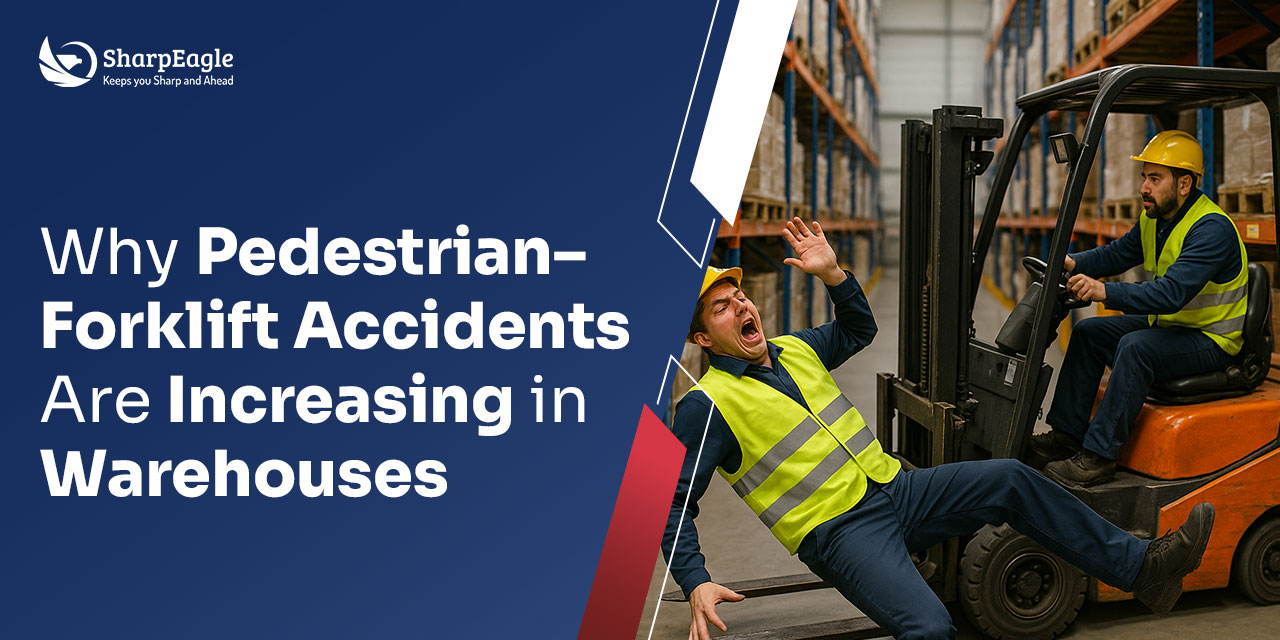
Common forklift accidents include collisions with pedestrians, tipping over due to overloading or sharp turns, falling loads, and crashes caused by poor visibility. These incidents are often preventable through proper training, load management, and safety systems.
How can forklift safety be improved in busy warehouses?
Forklift safety can be improved by implementing clear traffic management systems, separating pedestrian and vehicle zones, using safety technologies like cameras and sensors, and conducting regular training sessions. These measures are especially important in high-traffic warehouses in the UAE and large industrial facilities in Saudi Arabia.
Do forklift safety technologies really make a difference?
Yes, technologies such as camera systems, proximity sensors, and warning lights significantly improve visibility and hazard detection. They reduce human error and help operators make safer decisions, especially in complex warehouse environments.
Is forklift safety compliance mandatory in the UK, UAE, and Saudi Arabia?
Yes, safety compliance is mandatory in all three regions. While specific technologies may not always be required, businesses must follow safety regulations, conduct training, and maintain equipment to ensure a safe working environment.