

- Dust, Gasses, and Flammable Vapours
- Place Size
- Air Temperature and Pressure
- Air Flow
- Other Explosive Materials
Summary
This guide explains ATEX certification, its directives, zone classifications, and equipment categories used in hazardous environments. By ensuring that equipment does not create ignition sources, ATEX certification plays a critical role in preventing explosions and maintaining safety. Widely adopted across the UK, it is essential for compliance, worker protection, and safe industrial operations.
Ensuring workplace safety should be everyone's top priority. By implementing safety systems and protocols, you safeguard the well-being of your workforce, which is your most valuable asset. Additionally, this helps to protect your other resources from being compromised.
Failing to prioritise the safety of your employees can have serious consequences, whether it is due to unintentional oversight or negligence. Not only may you face legal trouble, but you also risk damaging your business objectives by neglecting the care of your valuable assets. Regardless of the angle you consider, investing in workplace safety is always worthwhile.
Industries across the United Kingdom—including oil & gas, chemical processing, and mining—often operate in environments where explosive gases, vapours, or dust are present.
In such conditions, using non-certified equipment can lead to catastrophic accidents. To prevent this, industries rely on ATEX certification, a globally recognized safety standard that ensures equipment can operate safely in explosive atmospheres.
Understanding ATEX certification is essential for maintaining safety, compliance, and operational reliability in hazardous environments.
The importance of workplace safety becomes even more critical in hazardous environments. Take, for instance, workplaces prone to explosions. Industries that fall into this category include pharmaceuticals, chemicals, food processing, wood processing, and power generation, among others.
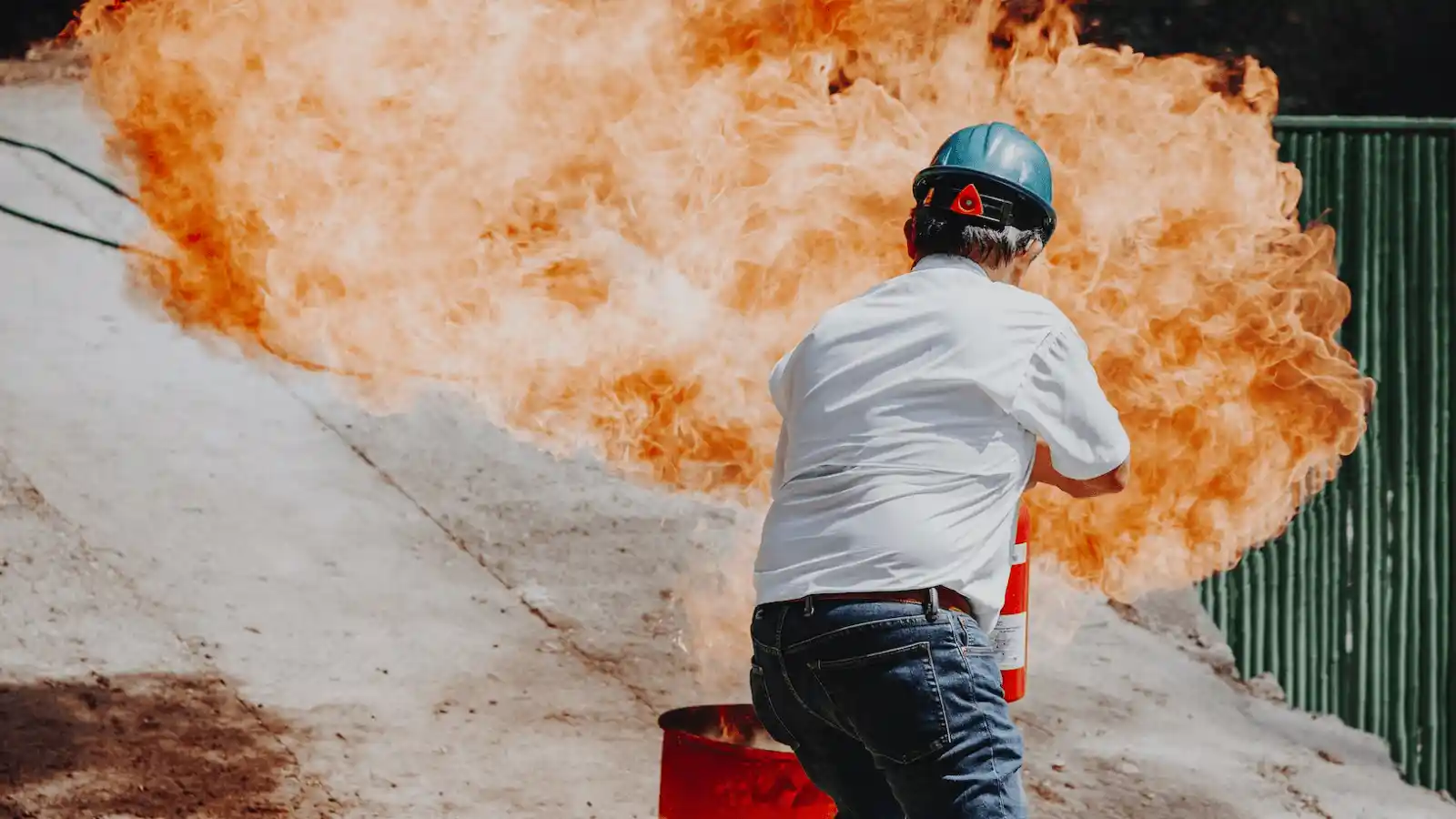
Ensuring workplace safety should be everyone's top priority. By implementing safety systems and protocols, you safeguard the well-being of your workforce, which is your most valuable asset. Additionally, this helps to protect your other resources from being compromised.
Failing to prioritise the safety of your employees can have serious consequences, whether it is due to unintentional oversight or negligence. Not only may you face legal trouble, but you also risk damaging your business objectives by neglecting the care of your valuable assets. Regardless of the angle you consider, investing in workplace safety is always worthwhile.
The importance of workplace safety becomes even more critical in hazardous environments. Take, for instance, workplaces prone to explosions. Industries that fall into this category include pharmaceuticals, chemicals, food processing, wood processing, and power generation, among others.
What Is an Explosive Atmosphere?
According to the Dangerous Substances and Explosive Atmosphere Regulations (DSEAR), an explosive atmosphere is described as a combination of dangerous substances and air. Once ignited, combustion spreads throughout the entire unburned mixture.
The term "atmospheric conditions" implies temperature ranges from -20°C to 40°C and pressure levels between 0.8 and 1.1 bar.
Explosive atmospheres can be found across various industries or when business processes release hazardous gases, vapours, or liquids. The presence of such substances poses a risk of explosion, thereby endangering the workforce. Consequently, the ATEX certification was established to ensure compliance with safety standards to mitigate these risks.
What’s an ATEX Certification?
This term ATEX refers to the guidelines established by the European Union to ensure safety in hazardous environments. The European Committee for Standardization has defined compliance protocols that are aimed at safeguarding employees and equipment in the presence of an explosive atmosphere, which is enforced through ATEX certification.
ATEX certification encompasses two directives:
- Directive 99/92/EC or ATEX Workplace Directive: This directive focuses on ensuring the safety and protection of workers in areas where explosive atmospheres may be present.
- Directive 2014/34/EU, which replaced Directive 94/9/EC or ATEX Equipment Directive: This directive outlines the regulatory standards that European Union member states must adhere to when producing and implementing equipment and protective systems designed for use in explosive atmospheres.
Factors that Imply Explosive Atmosphere
Dust, Gasses, and Flammable Vapours
Flammable substances have the potential to ignite when exposed to certain environmental stimuli. Examples include liquids, gases, and vapours that can combust in the presence of high temperatures or an electric spark, leading to an explosion.
Place Size
The level of safety risk is linked to both the size of the area and the quantity of hazardous substances within it. The release of potentially explosive gases in a larger area presents a relatively less concerning danger compared to the same level being released in a smaller space.
Containing these substances in a specific room does not guarantee that an explosion if it occurs, will be limited to that area. Explosive atmospheres have the potential to spread beyond just one room — this can occur via ducts or other pathways.
Air Temperature and Pressure
Certain substances may pose a potential hazard but will not explode unless subjected to heat. There are, however, liquid substances that combined with vapour will form an explosive mist. This is why it is crucial to conduct a comprehensive assessment of the temperature and pressure levels associated with the equipment and processes being utilised, to ensure safety.
Air Flow
The presence of an enclosed area without any form of ventilation, be it mechanical or natural, increases the risk, particularly when hazardous substances are present within it. Therefore, it is crucial to thoroughly study and plan for appropriate ventilation systems before constructing a workplace.
Other Explosive Materials
To ensure comprehensive safety measures, it is advisable to go beyond addressing the apparent threats and take into account various factors that can contribute to an explosive atmosphere. This includes considering waste products, residues, cleaning materials, and other potential hazards that might be present. By covering all these bases, a more robust safety framework can be established.
So, if your business falls into any of these categories, there are certain (and high) safety measures you should employ:
- Oil and Gas: Upstream exploration and production, refineries, petrochemical plants, and storage facilities are examples of areas where flammable gases and vapors are prevalent.
- Chemical Manufacturing: Plants that produce chemicals or handle volatile substances may have areas with explosive atmospheres.
- Mining: Coal mines, where methane gas can be released, pose a risk of explosions.
- Pharmaceuticals: Certain processes in pharmaceutical manufacturing may involve flammable materials.
- Food and Beverage: Certain food processing facilities may generate combustible dust, creating a risk of explosions.
- Paint and Coatings: Manufacturing plants that produce paints, solvents, and coatings can have areas with explosive atmospheres.
- Aerospace and Defense: Certain operations involving fuels and propellants can create explosive environments.
- Printing and Paper: The paper and printing industry may generate combustible dust during certain processes.
- Waste Management: Facilities handling flammable waste may face potentially explosive atmospheres.
- Grain Handling: Silos and facilities involved in grain storage and handling can produce combustible dust.
And it’s not only about the type of hazardous material being handled. Explosive situations occur in almost every industry daily. Dangers lurk everywhere, from agriculture to construction, chemical industry, mining, transport, and even textile production!
Safety Measures You Should Employ
Identify Potential Risks
The classification of hazardous zones relies on the standards defined by the DSEAR (Dangerous Substances and Explosive Atmospheres Regulations). These standards assess the probability of an explosion occurring in a given area based on the presence of hazardous substances. By utilising the guidelines outlined by the DSEAR, danger zones can be accurately classified.
Use Explosion Proof Cameras
Vigilant attention should be given to danger zones, ensuring they are closely monitored using a video surveillance system specifically designed to withstand fires and explosions. This proactive measure enables a timely assessment of risks and facilitates prompt response to emergencies. Additionally, having safety personnel available around the clock is a prudent approach to maintaining continuous safety oversight.
ATEX-certified cameras are specifically designed for use in hazardous environments. These cameras are equipped with durable enclosures that withstand fire, extreme temperatures, and explosions effortlessly. They are capable of operating safely in the presence of hazardous and flammable gases, as well as dusty environments. The camera enclosures are designed to prevent sparks from within the camera from igniting and causing fires within the facility where they are deployed.

SharpEagle offers a range of explosion-proof solutions, including:
Each of these camera options is designed to meet the specific requirements of different applications while ensuring the highest level of safety and reliability in hazardous environments.
Reduce Any Risks
Whenever possible, it is advisable to replace hazardous substances with safer alternatives. The risk of fires or explosions can be minimised by process optimisation. However, you should explore those strategies that reduce risk without compromising the practicality of day-to-day operations. Finding this balance is essential for maintaining a safe work environment.
Perform Inspection and Carry Out Measures
Regularly review and conduct thorough Electrical Safety Audits (ESA) to identify electrical hazards and establish effective risk mitigation measures. Additionally, consider the possibility of relocating equipment or devices that have the potential to trigger explosions in non-hazardous areas. Furthermore, explore the implementation of design and engineering safety plans aimed at confining potential explosions. By taking these proactive steps, you can significantly enhance electrical safety and minimise the risks associated with hazardous environments.
Mitigate the Risks
In the event of a fire or explosion proper management strategies are your best ally. Limit the number of personnel exposed to hazardous areas. Those who are should be equipped with dependable personal protective equipment (PPE). With this approach, you can mitigate the potential impact of such incidents.
Enable Proper Communication
Ensure that warning signs are not neglected and are prominently displayed for visibility. It is crucial to have appropriate and clear safety messages on high-risk equipment and chemical containers. Additionally, prioritise the maintenance of glitch-free public address (PA) and alarm systems. These measures collectively contribute to a safer environment by providing clear and timely communication of potential hazards and ensuring that emergency alerts can be effectively communicated when needed.
Use Marking Equipment
Opt for equipment that holds ATEX certification and adheres to ATEX-approved guidelines for equipment usage. One such marking equipment is our ever-popular EXIT sign! Never sacrifice safety in favour of expediting processes. Safety cannot be compromised or bypassed in any circumstances — when it comes to safety, there are no shortcuts.
What UK Warehouse Operators Have to Get Right
United Kingdom
The UK strictly follows ATEX and DSEAR regulations for hazardous environments.
ATEX certification helps:
- Ensure compliance with legal safety requirements
- Improve safety in offshore oil & gas operations
- Reduce risks in chemical and industrial facilities
- Support structured safety audits and inspections
In the UK, compliance + regulatory enforcement are critical.
Safety Should Always Be Your Priority
Prioritising workplace safety is of utmost importance, as neglecting it can have severe consequences. The impact extends beyond monetary losses, as compromising the well-being of your employees can tarnish your business's integrity. Preventable accidents can result in substantial financial setbacks.
One of the biggest factors to obtain your ATEX certification is going to fall down to the kind of equipment that you use!
Selecting the ideal product to monitor potential damage from unexpected explosions is of utmost importance. Our ATEX-certified explosion-proof cameras offer a reliable solution, crafted from top-notch metal and equipped with exceptional features. With a proven track record, we have earned the trust and respect of our customers nationwide. You can rely on our products to safeguard your premises effectively.
Frequently Ask Questions (FAQs)
What is ATEX certification?
ATEX certification is a European safety standard that ensures equipment used in hazardous environments does not create ignition sources. It confirms that the equipment is safe for use in areas where flammable gases, vapours, or dust may be present, helping prevent explosions and ensuring workplace safety.
What are the ATEX directives?
There are two main ATEX directives: ATEX 2014/34/EU, which applies to manufacturers and ensures equipment safety, and ATEX 1999/92/EC, which applies to employers and focuses on workplace safety, risk assessment, and zone classification.
What are ATEX zones?
ATEX zones classify hazardous areas based on the likelihood of explosive atmospheres. Gas zones range from Zone 0 (continuous risk) to Zone 2 (low risk), while dust zones range from Zone 20 to Zone 22. These classifications help determine the type of equipment required.
Why is ATEX certification important?
ATEX certification is important because it prevents explosions by ensuring that equipment does not produce sparks, heat, or other ignition sources. It also ensures compliance with safety regulations and protects workers in hazardous environments.
Is ATEX certification mandatory?
Yes, ATEX certification is mandatory for equipment used in hazardous environments within the European Union and the UK. Using non-certified equipment in such areas can lead to serious safety risks and legal consequences.
What is ATEX marking?
ATEX marking is a label on certified equipment that indicates its compliance with ATEX standards. It includes details such as equipment category, protection type, and temperature class, helping users identify where the equipment can be safely used.
Where is ATEX-certified equipment used?
ATEX-certified equipment is used in industries such as oil and gas, chemical processing, mining, and manufacturing. These environments contain flammable substances that require safe, certified equipment to prevent ignition risks.
How do I choose ATEX-certified equipment?
Choosing the right ATEX-certified equipment depends on factors such as zone classification, type of hazardous material, temperature rating, and required protection level. Selecting the correct equipment ensures both safety and compliance.
